
The clock is your first clue
Different animals keep different hours, so when you hear the noise matters as much as what it sounds like. Fast scampering and rolling sounds in daylight, especially early morning, points to squirrels. Light scratching and scurrying after dark points to roof rats. Heavy, deliberate walking or thumping at dusk and dawn points to a raccoon. Slow shuffling with occasional hissing suggests an opossum. Faint squeaking and rustling concentrated at sunset, often near one gable, suggests bats.
Sounds that raise the stakes
Chittering or trilling in spring and summer usually means young animals, which changes how removal must legally and humanely be done. Persistent gnawing at any hour deserves fast attention, because rodents and squirrels chew wiring, and chewed wiring is a genuine fire risk. A strong ammonia smell alongside the noise suggests an established colony or den.
What not to do
Do not seal the hole you found. If the animal is inside, you have just trapped it in your ceiling, and if it has young, you have created a tragedy and an odor problem in one move. Do not put poison in the attic. Poisoned rodents die in wall voids, and removing a dead animal from a wall costs more than trapping ever would.
How we confirm and clear it
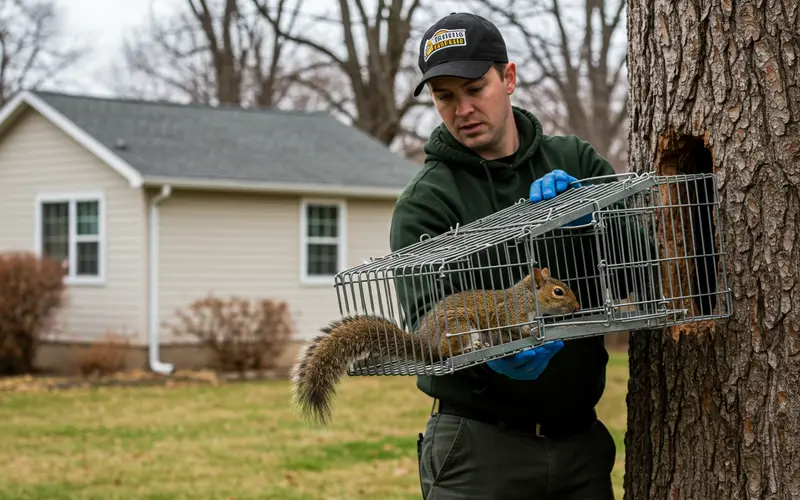
A proper inspection reads droppings, tracks, rub marks and entry damage to confirm the species before anything else. Then removal matches the animal: one-way doors and trapping for squirrels and rats, family-aware protocols for raccoons, legal exclusion timing for bats. Sealing and sanitation finish the job so the attic goes quiet and stays that way.
Dealing with this at your place?
Free quotes, honest answers, humane methods. Family-owned, based in Dunedin, serving all of Tampa Bay.